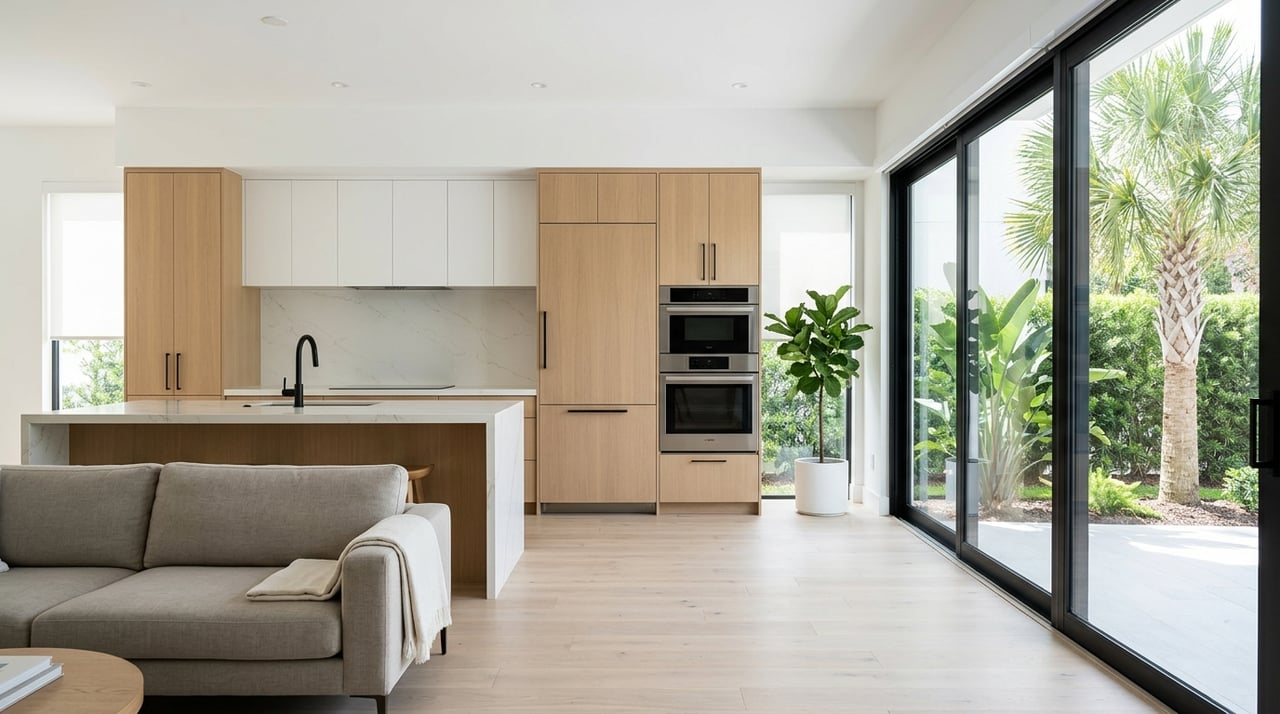
How to Navigate St Cloud New Construction Homes
April 2, 2026
April 2, 2026
Thinking about buying a brand-new home in St. Cloud? You are not alone. With the city planning for significant growth over the next 20 years, new construction is becoming a major part of how buyers enter the market here. The process can feel exciting, but it also comes with extra steps, deadlines, and decisions that are very different from buying a resale home. In this guide, you will learn how to move through the new construction process with more clarity, fewer surprises, and a better plan for your budget and timeline. Let’s dive in.
St. Cloud is planning for long-term housing growth. According to the city’s Housing Element, officials project about 51,000 additional residents and more than 21,000 new housing units by 2045. That helps explain why new communities, permits, and development activity are such a big part of the local conversation.
Where new homes are built is shaped by practical factors like flood zones, transportation access, parks, and employment centers. If you are exploring a specific area, the city’s Development Applications Map can give you helpful context on active and approved projects.
Buying a new construction home usually follows a more structured timeline than a resale purchase. Instead of negotiating over an existing house, you are often choosing a floor plan, reviewing a builder contract, making design selections, and tracking the home through construction and closing.
That means your choices can affect both the final price and the timeline. It also means you need to pay close attention to financing, inspections, deadlines, and closing details from the beginning.
Before you pick a lot or floor plan, it helps to understand what you can comfortably afford. The Consumer Financial Protection Bureau recommends talking with multiple lenders, comparing loan options, and keeping your budget updated as prices and interest rates change.
This step matters even more with new construction because the final cost can shift with upgrades, insurance, and closing expenses. If you are a first-time buyer, the CFPB also notes that some state and local programs may offer help with down payment or closing costs, and housing counselors can help you review loan options and affordability.
One smart step many buyers overlook is getting an early insurance estimate. The CFPB says an informal quote can help you avoid surprises, especially if coverage is more expensive or harder to find than expected.
This is especially important in Florida, where costs can vary based on location, building features, and risk factors. The CFPB also notes that building codes and energy efficiency can affect both insurance and utility costs.
In the St. Cloud area, location can affect how a home moves through permits and approvals. The city says all development within St. Cloud requires a permit, and its Building Department uses the Florida Building Code, 8th Edition (2023).
It is also important to confirm whether the property is inside St. Cloud city limits or in unincorporated Osceola County. The city’s permit guidance says buyers and applicants should verify the address before filing because the process may go through the city or county depending on where the property is located. In Osceola County, officials also recommend checking both building and zoning requirements before construction begins.
A builder contract is not the same as a standard resale contract. It is often more builder-specific, and it may include timelines, deposit terms, upgrade policies, and lender incentive language that deserve a careful review.
The CFPB says that for a home not yet built, the builder may ask for an upfront deposit or earnest money. Before you sign, ask exactly when that deposit may be refundable and under what conditions it may not be returned.
Many builders offer an affiliated lender, sometimes with incentives. But the CFPB is clear that you do not have to use the builder’s lender. You have the right to shop around and compare terms to see what works best for your goals.
This can make a meaningful difference in your monthly payment, closing costs, and long-term affordability. Even if a builder offer looks attractive, it is still worth comparing it with outside loan options.
The CFPB recommends trying to make your contract contingent on financing and a satisfactory inspection. These contingencies can help protect you if your loan falls through or if the inspection uncovers major issues.
In a fast-moving new construction setting, it is easy to assume a brand-new home needs less scrutiny. In reality, contract protections still matter.
One of the biggest surprises in new construction is how quickly the total price can rise above the advertised base price. Your final budget may include lot premiums, upgrades, insurance differences, and closing costs.
The CFPB says closing costs typically range from 2% to 5% of the purchase price, not including your down payment. That is a wide enough range that you should plan ahead instead of waiting until the final weeks before closing.
In St. Cloud, impact fees apply to new development and changes of occupancy. The city says these fees help support transportation, parks, schools, police and fire protection, and emergency services, and it also notes that the fees are subject to change.
That does not automatically mean you will pay every fee directly in the same way on every transaction, but it does mean new construction pricing is shaped by more than just the home’s base cost. Ask for a full estimate of builder charges, upgrades, and closing-related expenses early in the process.
New homes are closely tied to permits, inspections, and code compliance. St. Cloud says all development in the city requires a permit, and Osceola County explains that permits help ensure standard methods and materials are used and that work is verified through inspections at different stages.
That is one reason new construction timelines can shift. Delays do not always mean something is wrong, but they do mean you should ask good questions about the approval process and who has jurisdiction over the property.
If a home is being built in unincorporated Osceola County, the county says complete residential plan sets usually take 3 to 5 business days to review if they meet minimum code requirements. That is a helpful benchmark, but review timing can vary based on where the home is located and whether the submission is complete.
Because of that, ask the builder whether the project is going through City of St. Cloud review or county review. That one detail can give you a better sense of what to expect.
A common mistake is assuming a new home does not need an inspection because everything is brand new. The CFPB says buyers should still get a home inspection, even with new construction.
An inspection gives you an independent look at the property before closing. It can also help you identify issues that need attention while the builder is still responsible for completing the home.
Florida law gives buyers important protections on newly constructed homes. Under Florida Statute 553.837, a builder must warrant a newly constructed home for defects in equipment, material, or workmanship that result in a material violation of the Florida Building Code for one year after original conveyance or initial occupancy, whichever comes first.
The law also says an express written warranty can replace the statutory warranty if it is at least as protective and transfers during the initial year. In practical terms, you should read the written warranty carefully and understand how claims are handled.
It is easy to think the builder’s sales team will handle everything. But your representation still matters, especially when you are comparing lenders, reviewing contract terms, tracking deadlines, and preparing for closing.
The CFPB recommends working with an agent who has experience with the neighborhoods, price range, and home type you want. It also reminds buyers to ask who the agent represents and how compensation works.
The CFPB says buyers can usually choose the provider for some closing services. It also notes that independent settlement agents or attorneys may offer lower costs and more objective advice.
That means you should not assume every service provider has already been decided for you. Asking questions can help you understand both your options and your final costs.
If you want to stay organized, focus on these steps:
Buying new construction in St. Cloud can be a great opportunity, but it works best when you go in with a clear plan. If you want guidance that keeps the process organized, easy to understand, and responsive to your needs, Kriselys Tapia is here to help you navigate each step with confidence.
Stay up to date on the latest real estate trends.

Whether you’re searching for your dream home or ready to make a move, our expertise and guidance ensure a smooth, stress-free experience from start to finish.

The Real Estate International Group LLC
KRISELYS TAPIA
(305) 244-7937
[email protected]
12701 S John Young Pkwy, Suite 206 Orlando, FL, 32837