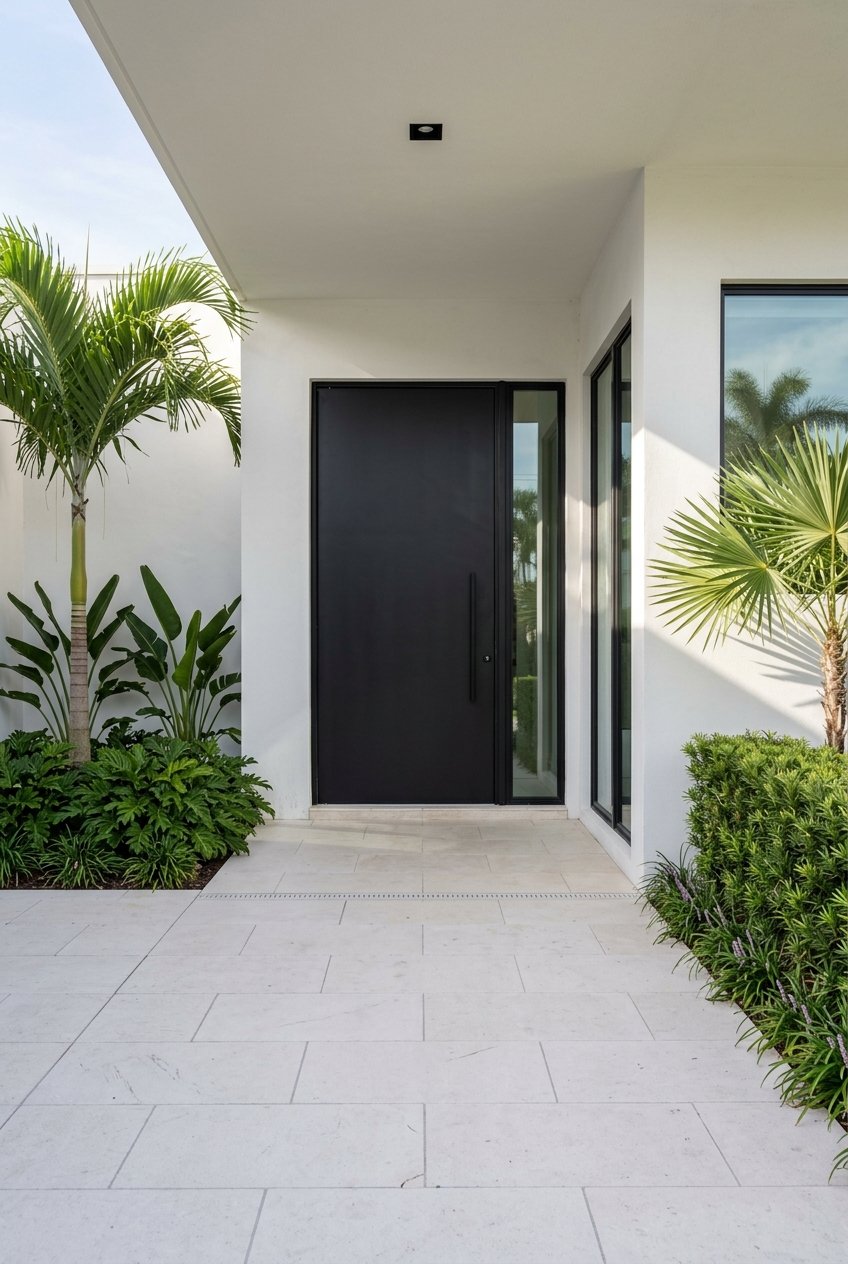
Move-Up Buying Strategies in Doctor Phillips
April 16, 2026
April 16, 2026
If you’re trying to buy and sell at the same time in Doctor Phillips, you’re probably asking the same big question most homeowners do: how do you line up two major transactions without creating extra stress or financial risk? That concern is valid. In a market where homes are moving, but not flying off the shelf overnight, timing matters. The good news is that with the right plan, you can reduce surprises, protect your budget, and move with more confidence. Let’s dive in.
If you are making a simultaneous move, local market conditions shape almost every decision. In February 2026, Realtor.com reported Doctor Phillips as a balanced market, with 78 homes for sale, a median listing price of $609,450, and a median of 47 days on market. Homes were also selling for about 3.14% below asking on average.
That creates an important middle ground. You may have more room to negotiate than you would in a very hot market, but you still cannot assume your current home will sell instantly or that your next home will wait for you. This is why a thoughtful sequence, realistic pricing, and backup plans matter so much in Doctor Phillips.
For most homeowners, selling first is usually the safer route. The Consumer Financial Protection Bureau recommends selling your current home before buying another one when possible, largely because it helps you know how much cash you will have available and reduces the risk of carrying two housing payments at once.
That said, every move has its own timeline. You may need to buy first because of work, family logistics, lease timing, or a specific home you do not want to miss. In that case, the goal is not to guess. The goal is to understand your options and build protections into your contract and financing strategy.
Selling first may be the better fit if you:
Buying first may be worth considering if you:
If you need to buy before your current home sells, contract terms become especially important. According to Freddie Mac’s explanation of contingencies, a home sale contingency gives you a defined period to sell your existing home. If that sale does not happen in time, the contract can fall through and your earnest money is returned.
This can be a valuable layer of protection, especially if the timing of your sale is uncertain. It helps you avoid getting locked into a purchase you may not be ready to complete.
Even if you use a home sale contingency, you should still think about your other risk controls. The CFPB also recommends financing and inspection contingencies so you are not forced to close if your loan falls apart or the inspection reveals serious issues.
In simple terms, contingencies can help protect your money, your timeline, and your peace of mind. In a move with two closings, that protection matters even more.
A simultaneous move is really a scheduling project. Once your offer is accepted, things can move fast. The CFPB notes that buyers may have only a couple of days to line up financing after an offer is accepted, while Freddie Mac says the closing period often takes about 30 to 45 days.
In Doctor Phillips, where homes have been spending weeks on the market instead of just days, that gives you some planning room, but not unlimited room. You still want your financing, listing prep, and next-step strategy ready before either transaction starts moving.
One often overlooked tool is the closing date itself. Fannie Mae notes that timing and flexibility on closing dates are part of an offer, and that can matter when you are trying to coordinate a sale and a purchase together.
Depending on the situation, you may be able to negotiate:
This is one reason coordinated guidance can make such a difference. Small timing decisions early on can reduce a lot of stress later.
If you are buying and selling at the same time, preapproval should happen before you start making major decisions. A preapproval letter helps show sellers you are serious, and it gives you a better sense of your borrowing range.
It is also important to remember that preapproval letters often expire in 30 to 60 days. If your timeline shifts, you may need to refresh your documents. That is normal, but it is much easier to manage when you start early and stay in close contact with your lender.
The CFPB also recommends comparing official Loan Estimates before choosing a lender. If you are balancing a home sale, a purchase, and moving costs all at once, even small differences in rates, fees, and cash-to-close numbers can affect your comfort level.
This is where a clear budget matters more than guesswork. You want to know not just what you can qualify for, but what you can comfortably handle.
One of the biggest mistakes simultaneous movers make is focusing only on the sale price and purchase price. In reality, your move may involve two sets of costs at the same time.
According to the CFPB, buyer closing costs typically run about 2% to 5% of the purchase price. On the selling side, Freddie Mac says sellers should also expect closing costs, including real estate commissions of roughly 3% to 8% of the sale price and another 2% to 4% in fees and taxes.
As you build your budget, account for:
The CFPB also encourages buyers to prepare their money situation before buying a home. For simultaneous moves, that advice is especially important. A realistic cash plan can make the difference between feeling prepared and feeling rushed.
If you are moving from one Florida home to another, property taxes deserve a closer look. The Florida Department of Revenue explains that the homestead exemption can exempt up to $50,000 of assessed value, and the Save Our Homes cap can limit annual assessed-value increases after the first year of homestead.
If you are establishing a new Florida homestead, part or all of your accumulated assessment difference may be portable. In general, the new homestead must be established within three years of January 1 of the year the old homestead was abandoned, and Form DR-501T must be filed with the homestead application by March 1.
This can affect your long-term housing costs. It is also important not to assume the current owner’s tax bill on the home you are buying will match yours. The same Florida guidance notes that a sale triggers reassessment at just value on the following January 1, so the old tax bill should not be used as a direct comparison for your future taxes.
For many buyers in Doctor Phillips, this is one of the easiest details to overlook and one of the most important to verify before closing.
Closing is not the time to go on autopilot. The CFPB says buyers should receive the official Closing Disclosure at least three days before settlement, and you should not sign until the numbers match what you expect.
If anything looks different, ask questions right away. Changes in fees, credits, prepaid items, or cash-to-close amounts should be reviewed before you move forward.
The CFPB also warns about wire-transfer closing scams, especially those involving last-minute email changes. If you are sending funds to close, verify wiring instructions using known contact information, not email alone.
When you are managing both a sale and a purchase, this extra attention is worth it. Fast timelines can create pressure, and pressure is when mistakes are more likely.
If you want to make a move in Doctor Phillips with less stress, it helps to follow a clear process.
Start with your likely sale proceeds, your target purchase range, and your cash reserves. Make sure you account for both sides of the move, not just the headline prices.
Talk through preapproval, timing, and what happens if your sale closes later than expected. You want clear answers before you begin making offers.
In a balanced market, presentation and pricing matter. Buyers may have options, so your home should enter the market ready to compete.
Use the right contingencies based on your situation. The exact structure depends on your timeline, budget, and tolerance for risk.
Look for ways to align your sale and purchase so you reduce overlap, last-minute scrambling, and extra carrying costs.
Buying and selling at the same time can feel like juggling several moving parts at once, because that is exactly what it is. Financing, listing prep, offer strategy, inspections, title work, insurance coordination, notary needs, and closing timelines all need to stay aligned.
That is why many homeowners benefit from working with one advisor who can help connect those pieces clearly. With bilingual support, local Doctor Phillips knowledge, and full-service guidance that can include real estate, loan support, notary, and insurance coordination, the process can feel a lot more organized from start to finish.
If you are planning a move in Doctor Phillips and want a smart strategy for both sides of the transaction, Kriselys Tapia can help you map out your timing, budget, and next steps with clear, personal guidance.
Stay up to date on the latest real estate trends.




Whether you’re searching for your dream home or ready to make a move, our expertise and guidance ensure a smooth, stress-free experience from start to finish.

The Real Estate International Group LLC
KRISELYS TAPIA
(305) 244-7937
[email protected]
12701 S John Young Pkwy, Suite 206 Orlando, FL, 32837